
When supervision becomes optional: what are we stealing from the future?
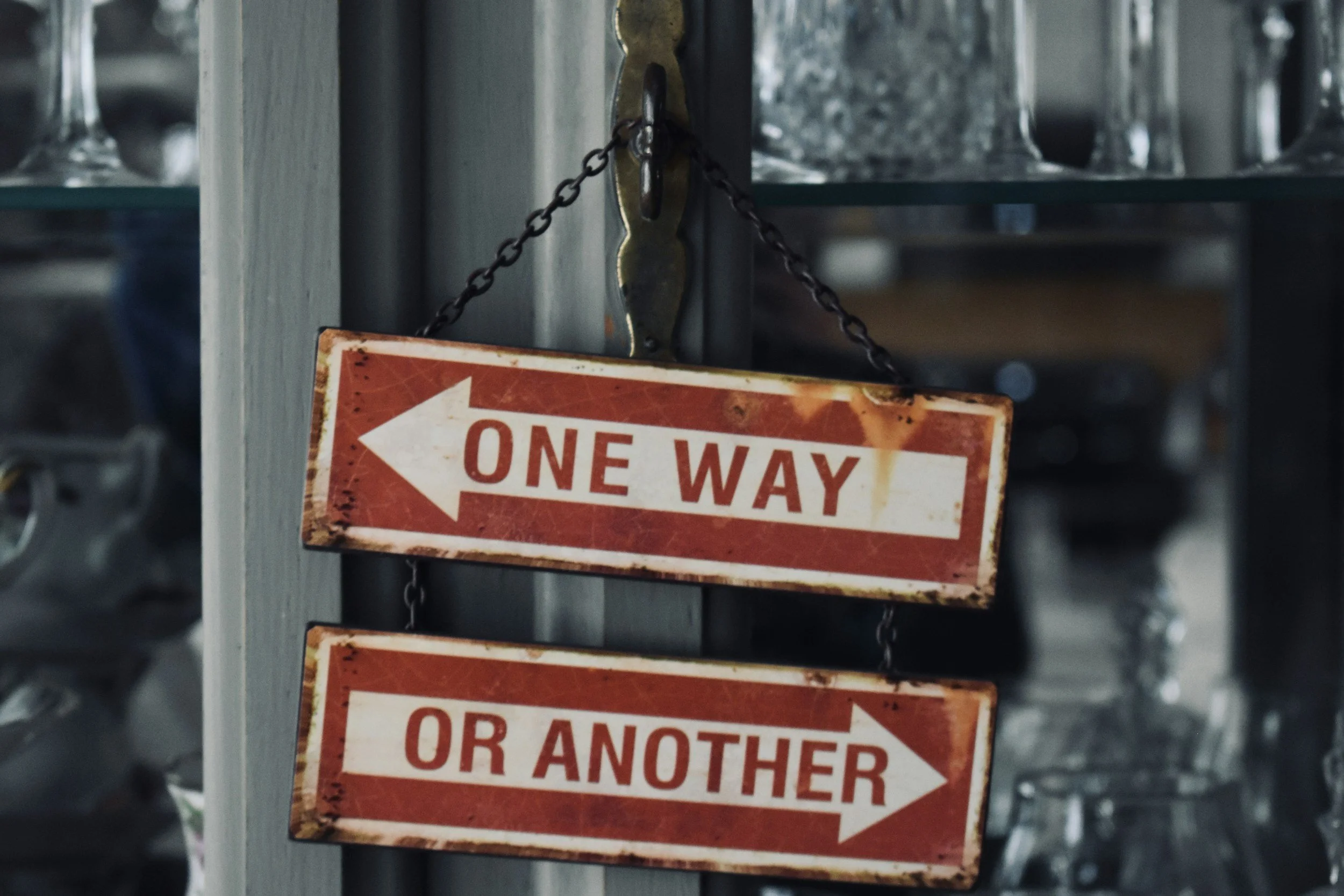
When work gets busy, something usually has to give.
In our sector, immediate client needs, waiting lists, staffing gaps, and operational demands quite reasonably attract our attention first. When there are only so many hours in the day, postponing a supervision session might seem like a sensible decision.
And sometimes it is.
What happens when postponing supervision stops being an occasional response to a particularly demanding week and becomes part of how we manage ongoing pressure?
Because while cancelling supervision may create an hour today, what might we be robbing from the future?
What disappears when pressure rises?
This question came to mind following a recent Victorian Centre for Advancement in Allied Health (VCAAH) webinar where they explored professional supervision as a key sector priority to advance allied health workforce capability, sustainability and innovation, and the challenges and opportunities associated with this priority.
One of the issues raised was that when client demand is high, staffing is stretched and there is constant pressure to meet immediate operational needs, supervision can become vulnerable. It may begin to be viewed as an optional extra or even a “luxury”, rather than an even more critical support to our colleagues at hectic times. It is part of the infrastructure that supports workforce capability and sustainability.
I can understand how this happens.
The benefits of seeing another client, responding to an urgent issue or reducing a waiting list are immediately visible. The benefits of an hour spent thinking, reflecting and learning may be less obvious.
Yet supervision provides something that is increasingly difficult to find in busy workplaces: protected space to think about our work, reflect on our experiences and learn from them, rather than simply continuing to do it.
Quality professional supervision can provide opportunities to:
reflect on complex practice and decision-making
integrate experience and new learning
identify professional learning needs
consider boundaries and professional responsibilities
notice how the work itself may be affecting us
recognise occupational pressures and protective factors
think about what we need to continue practising sustainably.
We may not see the immediate cost or consequence when those conversations are postponed.
The impact is more likely to be cumulative.
Supervision can help us notice earlier
There is another reason I think protecting supervision is critical.
Often, conversations about professional wellbeing begin once there are already signs that work is becoming harder to sustain. Boundaries may be becoming harder to maintain, or the cumulative impact of complex or emotionally demanding work may be becoming more apparent.
Then we ask: What support do you need?
It is an important question. But supervision gives us an opportunity to ask useful questions before things reach that point.
What are you noticing about the impact of the work at the moment?
What is helping you manage the demands of your work?
What aspects of your work are creating the most pressure?
Are there areas where clearer boundaries might help you work more sustainably?
Is there something about your work environment that needs to be recognised or addressed?
What needs to happen next?
These are not conversations about asking us to become endlessly more resilient to difficult working conditions.
They create opportunities to identify emerging pressures and consider what might help, before those pressures become harder to manage.
Supervision cannot fix the system
This distinction is important.
Professional supervision cannot compensate for unreasonable workloads, inadequate staffing, insufficient resources or broader systemic problems.
Nor should supervision become a place where organisational problems are reframed as something individual practitioners simply need to manage better.
What it can provide is a structured opportunity to reflect on the interaction between the person, their professional practice and the environment in which that practice occurs.
Sometimes what emerges will be something we can act on.
Sometimes it will be something to explore further within supervision.
And sometimes the conversation will identify a team, leadership, organisational or broader system issue that needs action at that level.
Good supervision can help us see that distinction more clearly.
Valuing supervision means protecting it
Most organisations would probably say they value professional supervision.
A more revealing question might be: what happens to supervision when the organisation is under sustained pressure?
If supervision is routinely the first thing removed from the calendar, we may need to look beyond whether it is described as important and consider whether it is structurally protected.
That does not mean supervision can never be moved or cancelled. Flexibility is necessary in real workplaces.
But there is a difference between responding flexibly to an unusually demanding period and developing a pattern where professional learning, reflection and support repeatedly give way to operational demand.
For leaders and supervisors, this might mean considering:
When operational demands increase, is supervision one of the first things we postpone or cancel?
How quickly is cancelled supervision rescheduled?
Are there minimum supervision arrangements we want to protect during sustained periods of pressure?
Do workloads genuinely allow supervisors and supervisees the time and headspace to prepare for, participate in and make meaningful use of supervision?
What are we expecting supervision to contribute to our workforce, and are we creating the conditions that allow it to do that?
There may never be a completely pressure-free time to prioritise supervision.
Perhaps that is precisely why we need to think carefully about what we protect when pressure rises.
Because the hour we reclaim today by cancelling supervision may be an hour we are actually stealing from the learning, reflection and sustainability of the workforce we will need tomorrow.
Upcoming public training programs

Relevant previous newsletters you may be interested in…




What happens when postponing supervision stops being an occasional response to a particularly demanding week and becomes part of how we manage ongoing pressure?