
Giving Feedback When Your Team Is Running on Empty
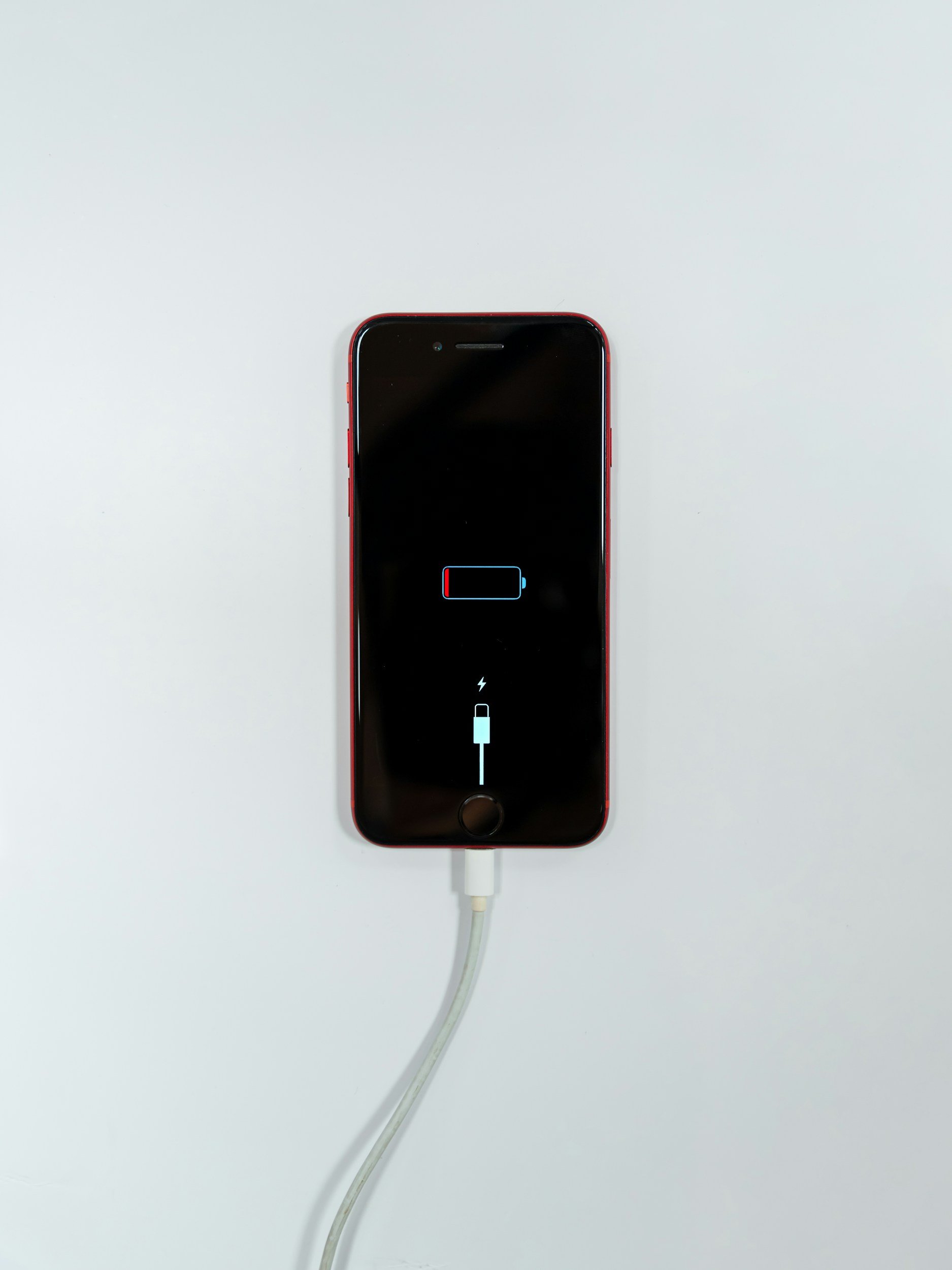
Across the sector right now, people are tired in a way that goes way beyond a busy week.
Restructures, funding uncertainty, government policy changes, workforce shortages, and the relentless pressure to do more with less have left many teams running on empty. This is the context in which you still need to lead, to develop and support your colleagues, and yes, at times give feedback.
And so you sit across from someone on your team, ready to have that tricky conversation, something stops you. Not because the feedback isn't needed. But because you look at them, and you know: there is almost nothing left in their tank right now, your colleague does not have the bandwidth to absorb your message.
Here's what is important to consider: the challenge isn't whether to give feedback. It's whether we've distinguished between someone's capability and their current capacity.
Capability and Capacity Are Not the Same Thing
Capability is what someone knows how to do. Their skills, their training, their clinical and professional judgment. Most of the people you lead are highly capable.
Capacity is different. Capacity is the available bandwidth, right now, to process, reflect, and respond. It is shaped by stress levels, workload, the cumulative weight of caring work, as well as the personal resources/challenges, such as sleep, health and wellbeing. Our capacity shifts from day to day, sometimes from hour to hour.
When capacity is depleted, the brain does not function in the same way. Research in neuroscience shows that under sustained stress, access to the prefrontal cortex, the part responsible for reflection and perspective-taking, becomes more limited. This means a person who is overwhelmed may genuinely struggle to:
process new information without distortion
regulate their emotional response to perceived criticism
reflect objectively on their own practice
separate feedback about their work from a judgement of their worth as a person
What Feedback Feels Like When You’re Exhausted
When someone is running on empty, even well-intentioned feedback can feel like:
another demand in an already overwhelming list
evidence of failure, proof that no matter how hard they try, it still isn’t enough
a signal that their effort has gone unnoticed
in some cases, rejection, judgement, or invalidation
None of this means feedback should be avoided. Standards still matter. Growth still matters. But how and when that conversation happens can make a significant difference.
Timing Is Not About Avoidance
Choosing when to give feedback is not the same as avoiding it. It is the refined professional skill of discernment.
If you step into a feedback conversation when someone is flooded, you are not giving feedback. You may be creating an incident. The message won’t land where you intended it, and the repair work may take far longer than a pause would have. This doesn’t mean waiting for perfect conditions. It means asking yourself: Is this person’s nervous system in a state where they can actually receive the message?
Curiosity Before Correction
One of the most useful shifts I’ve seen in leaders is moving from correction to curiosity as a starting point.
Before the feedback, try: “How are you travelling at the moment?” Or simply: “I’ve noticed you have been carrying a great deal lately. How are you really?”
This is not pandering. It is creating the psychological safety that makes hard conversations possible. It signals that you see the person, not just the functional role or performance gap. And more often than not, the person already knows what the feedback is going to be. What they need to know first is whether they can trust you enough to be present to it.
What Feedback Is Actually For
Before any feedback conversation, it is worth asking: What is the purpose of this? Feedback at its best is about building capability, restoring confidence, and supporting someone to grow and learn. When the purpose is clear, the tone changes. The conversation becomes about growth, not judgment. And the person receiving it is more likely to feel held by it rather than flattened by it.
A Note on Your Own State
Before you give feedback to someone who is overwhelmed, check yourself. Are you feeling less patient than usual? More reactive? Feedback delivered from a depleted state tends to carry more edge than we might intend. We teach what we are, not just what we say. Psychological safety in a feedback conversation begins with your own regulated state.
Consider
When did you last give feedback that genuinely helped someone grow? What made it land well?
Is there a feedback conversation you’ve been postponing? Are you waiting because of their capacity, or because of your own discomfort?
How do you currently read someone’s capacity before a significant conversation? What cues are you paying attention to?
What would it look like to open a feedback conversation with curiosity rather than correction?
What is your own state like before you typically give feedback? Are you grounded and clear, or running on empty yourself?
You can hold standards and hold people at the same time. These are not opposites.
The most effective feedback you will ever give comes from a grounded place, offered at a considered moment, to someone who feels safe enough to actually receive it.
Feedback given well, at the right moment, from a steady place, builds capability and strengthens the relationship.
Want to read more
Dan Siegel’s book Mindsight offers an understanding of how our minds, brains, and relationships interact, helping individuals develop greater self-awareness and emotional resilience. The book provides practical insights and evidence-based strategies for recognising patterns of thought and behaviour, enabling people to strengthen wellbeing, communicate more effectively and respond more effectively to life’s challenges.
Upcoming public training programs


Relevant previous newsletters you may be interested in…




What happens when postponing supervision stops being an occasional response to a particularly demanding week and becomes part of how we manage ongoing pressure?